The Importance of Atmosphere in Casino Design
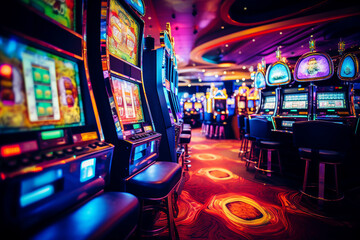
The atmosphere of a casino plays a crucial role in its overall design, impacting the mood and behaviors of patrons. Designers often create an environment that stimulates excitement and anticipation through a mix of lighting, sound, and visual elements. For instance, bright lights and vibrant colors can captivate visitors, drawing them into the gaming area where they can find entertainment at buumi-win-fi.com and encouraging them to participate. The goal is to evoke a sense of thrill that makes guests feel like they are stepping into an extraordinary experience, making the atmosphere a fundamental aspect of casino architecture.

In addition to visual appeal, sound design is another vital aspect that influences the casino experience. The background music, chimes from slot machines, and cheers from nearby players create an auditory landscape that can enhance feelings of excitement or urgency. These sounds can trigger emotional responses, often leading players to stay longer than they originally planned. Thus, the atmosphere becomes a carefully curated element that keeps guests engaged and eager to participate in the gaming offerings, effectively transforming a simple outing into an exhilarating adventure.
Moreover, the layout of a casino is designed to maintain this immersive atmosphere. For example, gaming tables and machines are strategically placed to create a flowing pathway that encourages exploration. This design approach not only maximizes visibility but also keeps guests moving through the space, enticing them to discover new areas. By combining these elements, casinos craft an enticing environment that keeps patrons entertained and willing to spend more time—and money—within their walls, ultimately creating a memorable experience that drives repeat visits.
The Role of Color and Light in Engagement
Color psychology is a powerful tool in casino design, with different hues carrying specific meanings and emotional responses. Designers often use red, for example, to evoke a sense of excitement and energy, while blue tones promote calmness, keeping players relaxed yet alert. The strategic use of color can influence behavior in subtle ways, encouraging players to engage with their surroundings actively. This careful selection helps casinos cultivate a unique ambiance that entices guests to explore different areas while also enhancing their overall experience.
Lighting, too, is pivotal in enhancing the casino experience. From the dramatic spotlights on high-stakes tables to the cozy, ambient lighting in lounges, the manipulation of light can dictate the behavior of guests. Bright, flashing lights can create a sense of urgency, while dimmed lights in quieter areas encourage relaxation and fellowship. This balance allows casinos to cater to various moods and preferences, ensuring that all guests find their ideal environment, whether they seek excitement or tranquility, enhancing their likelihood of engagement.
Furthermore, lighting and color can also connect with branding within the casino. Many establishments develop a distinct visual identity that reflects their overall theme or target demographic. For instance, a casino that aims to attract a younger audience may use bold colors and dynamic lighting to create a vibrant atmosphere, while a more traditional casino might favor classic features to evoke a sense of sophistication. This alignment of design elements reinforces the desired image while engaging visitors in a meaningful experience that resonates long after they leave.
The Psychology of Game Placement
Game placement within a casino is meticulously calculated to maximize player engagement and spending. Designers understand that certain games attract different demographics, and the strategic positioning of these games can influence player behavior. High-stakes tables are typically placed in prominent areas to attract more serious gamblers, while slot machines, which often cater to casual players, are scattered throughout the gaming floor to encourage spontaneous play. This thoughtful arrangement plays a critical role in maintaining a vibrant gaming environment.
Additionally, the design of gaming areas often incorporates an element of competition and social interaction. Casinos frequently create spaces that promote community gaming, such as rows of slot machines where players can share excitement or winnings. This social aspect can lead to longer play sessions, as players feed off each other’s energy and enthusiasm, further driving engagement and spending. By fostering an environment conducive to social interaction, casinos effectively enhance the overall experience for all patrons, making the gaming floor feel alive and dynamic.
The consideration of foot traffic and flow is another aspect of game placement. Designers analyze patterns of movement within the casino to determine which areas see the most foot traffic. Games that are placed along primary pathways are likely to attract more players, as they catch the eye of guests passing by. This interplay of placement, visibility, and social dynamics helps casinos create a compelling layout that maximizes engagement and enhances the guest experience, ensuring that visitors can easily navigate and enjoy their time in the establishment.
Design Elements That Foster Loyalty
Creating a sense of loyalty among patrons is a primary goal of casino designers, and several elements contribute to this. Comfortable seating, complimentary drinks, and loyalty programs are commonly employed strategies to enhance player retention. When guests feel valued and pampered, they are more likely to return. Casinos invest in plush seating areas and easy access to amenities, ensuring that visitors are comfortable while they play, thereby increasing their enjoyment and likelihood of returning, which is critical for long-term success.
Moreover, personalized experiences play a pivotal role in fostering loyalty. Many casinos utilize advanced technology to track player activity and preferences, allowing them to offer tailored rewards and bonuses. This personal touch promotes a sense of belonging and appreciation, encouraging players to return and continue their gaming experience. Loyalty programs that offer exclusive perks and incentives not only enhance the immediate experience but also build a lasting relationship between the casino and its patrons, often leading to significant customer retention.
The ambiance and design elements also contribute to loyalty by promoting a sense of exclusivity. VIP lounges, for example, offer an elevated experience that makes high-rolling players feel special. These designated areas often feature upscale décor, private services, and limited access, enhancing the allure of returning. By intentionally crafting these experiences, casinos create environments that encourage players to return and continue their journeys with the establishment, reinforcing their brand and fostering a dedicated customer base.
Exploring Online Casino Design
The principles of casino design extend into the digital realm, where online casinos aim to replicate the immersive experiences of their physical counterparts. Just like traditional casinos, online platforms employ atmospheric design, utilizing colors, sounds, and captivating visuals to engage users. The aim is to evoke feelings of excitement and anticipation, encouraging players to explore various gaming options from the comfort of their homes, thus broadening their reach beyond geographical constraints.
Interface design is a crucial factor in online casino success. User-friendly navigation promotes ease of use, ensuring that players can easily find their preferred games or access customer support. Engaging visuals and animations also add to the immersive experience, making online gaming enjoyable and stimulating. Moreover, responsive design allows for seamless play access across devices, catering to players who enjoy gaming on the go, thus enhancing user satisfaction and retention.
Furthermore, online casinos often incorporate features that promote social interaction, such as live dealer games and chat functions. These elements recreate the communal atmosphere of physical casinos, allowing players to engage with others during gameplay. By integrating aspects of social interaction and community, online casinos aim to create an attractive environment that mirrors the excitement and engagement found in traditional gaming establishments, ultimately fostering player loyalty and encouraging a vibrant online community.